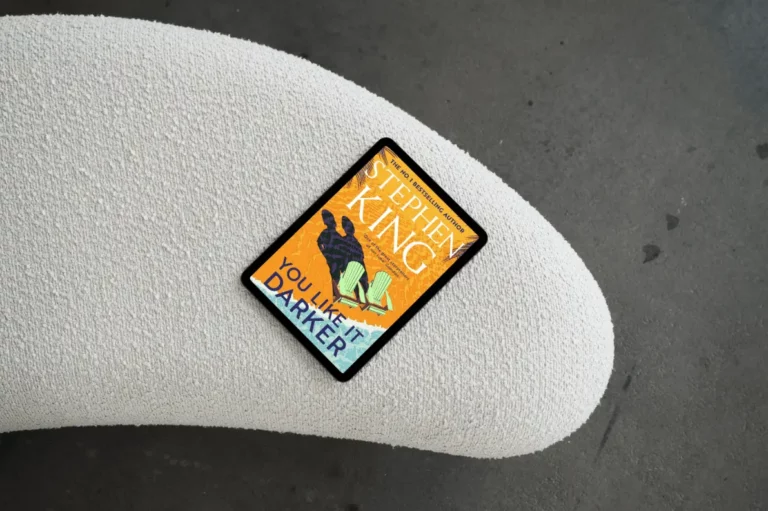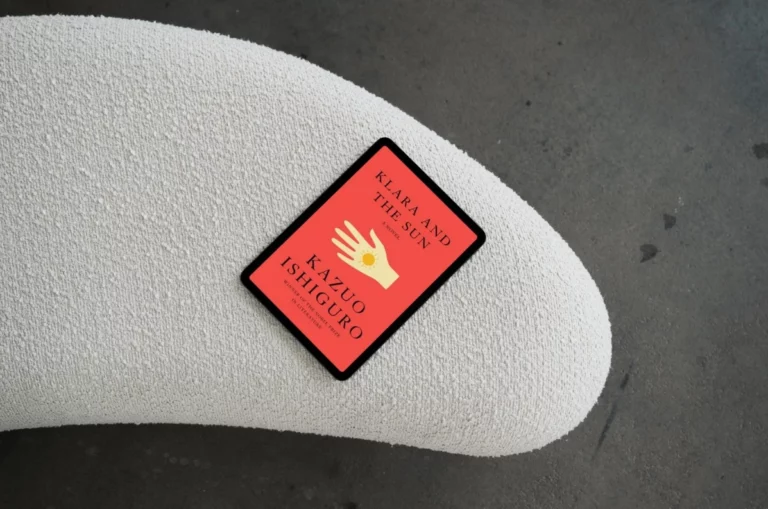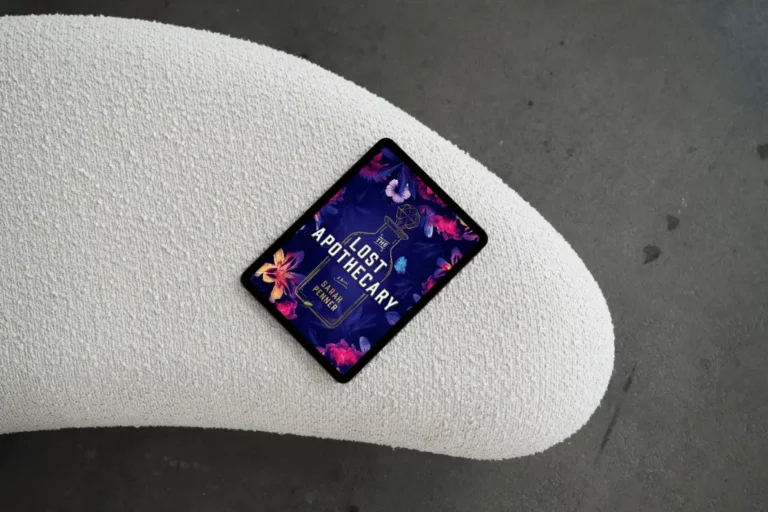


Affiliate Disclosure: This post includes affiliate links. If you purchase through them, I may earn a commission at no extra cost to you. I only recommend products I genuinely believe in. Thanks for your support.
Every year deserves a good story. A reading challenge is your invitation to escape reality, learn something new, and discover worlds you didn’t know existed. The Reading Challenge 2026 is your excuse to turn reading into an adventure instead of another resolution you forget by February.
What Is a Reading Challenge?
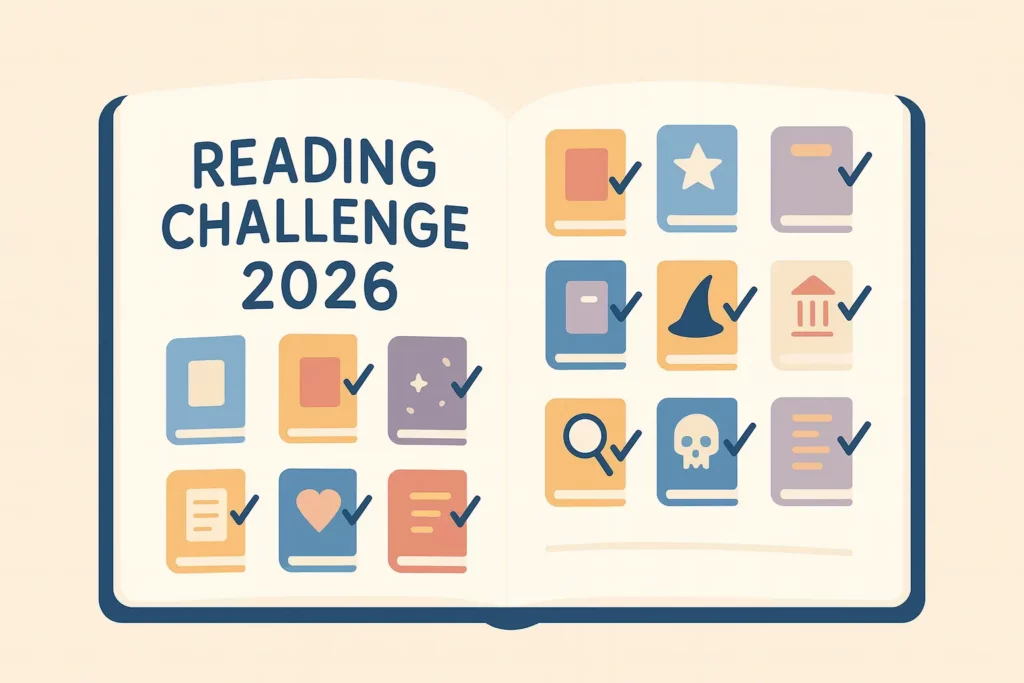
A reading challenge is exactly what it sounds like: a personal commitment to read a certain number or type of books within a specific timeframe, usually one year. It turns reading from a passive activity into a creative mission. You’re not just reading, you’re exploring, tracking, and transforming how you connect with books.
How Does It Work?
You set a goal, like reading 12 books in 12 months, and track your progress along the way. Some challenges focus on numbers, while others include prompts to guide your choices, like “a book with a blue cover” or “a story set in another country.”
Why Do a Reading Challenge?
Because life gets busy and Netflix has too much power. A reading challenge gives you structure and motivation. It reminds you that time spent reading isn’t a luxury, it’s a form of self-care and brain maintenance. Plus, it’s deeply satisfying to tick books off a list.
Who Can Join?
Anyone with a pulse and a library card. It doesn’t matter if you read two books a year or fifty. The point is progress, not perfection. You can adapt the challenge to your own pace and taste.
Are There Rules?
Only the ones you make. Think of this as a framework, not a prison sentence. The beauty of a reading challenge is its flexibility. You set the limits, the genres, and the goals.
Why Join a Reading Challenge in 2026?
2026 is the perfect year to reset your reading habits. The world moves faster every year, and our attention spans are shrinking faster than cheap jeans in a hot dryer. A reading challenge helps you push back, one page at a time.
Motivates You to Read More
Having a clear goal makes it easier to pick up a book instead of your phone. You’ll find yourself reading “just one more chapter” instead of scrolling doom for the tenth time today.
Helps You Try New Books and Genres
Most of us fall into reading ruts. A challenge shoves you out of your comfort zone. You might discover you actually like historical fiction or that sci-fi isn’t as confusing as you thought.
Makes Reading More Fun and Exciting
Turning reading into a game with prompts, rewards, and themes makes it something you look forward to. The same part of your brain that loves finishing a to-do list also loves finishing a book.
Builds a Reading Habit
Consistency beats intensity. Reading a few pages every day is more effective than binge-reading once a month. Challenges give you small, steady goals that make reading part of your routine.
Improves Your Mind and Wellbeing
Reading reduces stress, boosts empathy, and strengthens memory. It’s basically a workout for your brain, but without the sweating or gym membership.
How to Start Your 2026 Reading Challenge
Starting is the hardest part, but it doesn’t need to be complicated.
Set a Realistic Goal
If you haven’t read much lately, don’t aim for 100 books. Start small. The goal should stretch you a bit but not make you cry.
Choose Your Theme or Style
Decide what kind of challenge excites you. It could be genre-based (classics or thrillers), mood-based (comfort reads or dark tales), or experience-based (books from different countries). Whatever sparks curiosity.
Plan the Time Frame
Some people like one book per month, others go by total pages. Pick what fits your schedule and sanity level. Remember, this is supposed to be fun.
Make a Reading List
This is the fun part. Create a list of books you’re genuinely curious about. Mix easy reads with deep thinkers. Think of it as your literary buffet.
Track Your Progress
Use a notebook, spreadsheet, or an app. Or take it further and organize your reading notes using a second-brain system. Watching your progress grow is ridiculously satisfying.
Share and Celebrate
Talk about what you’re reading with friends, or turn your reflections into a journal or blog post. You can even document your life through the stories that shaped your year.
Creative Reading Prompts for Every Month of 2026
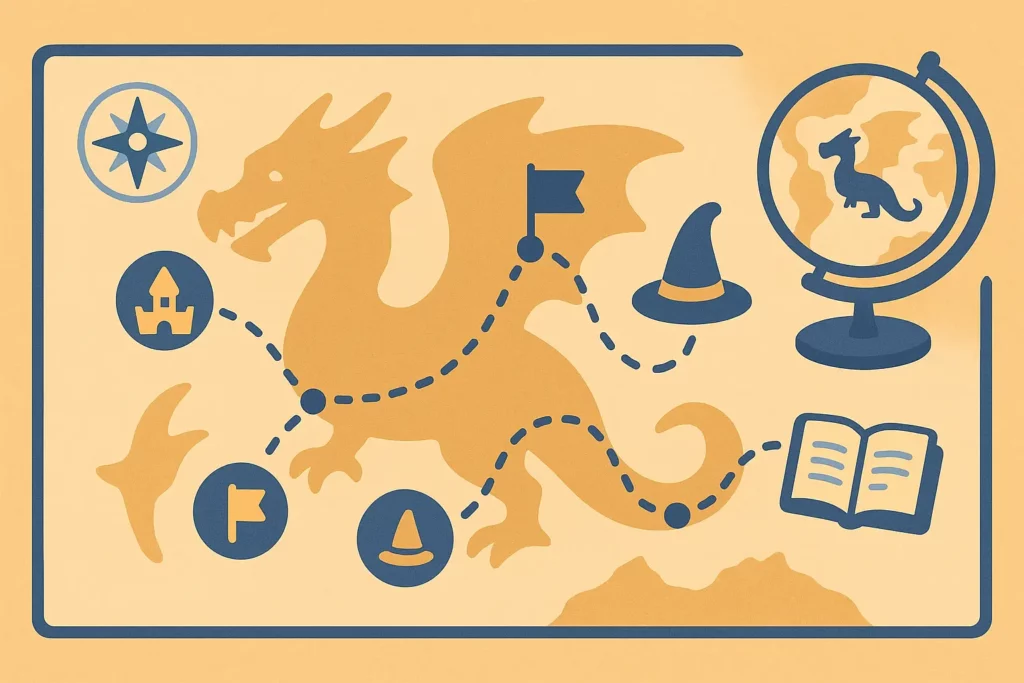
Each month has its own theme to keep things fresh. If you follow this list, you’ll never run out of inspiration.
| Month | Prompt |
| January | Books about new beginnings or personal goals. Start fresh with stories about change, growth, and transformation. Idea: Try “The Midnight Library” by Matt Haig |
| February | Love stories or books about friendship to celebrate connections. They don’t have to be romantic, platonic love counts too. Idea: Consider a classic like “Pride and Prejudice“ |
| March | A sports-themed book. Try memoirs by athletes or novels about competition, teamwork, and resilience. |
| April | Read a poetry book. Whether it’s classic haikus or modern spoken word, poetry sharpens emotion and language. |
| May | Dive into mythology. Gods, legends, and ancient tales still have a lot to teach about human nature Idea: Try Madeline Miller’s “Circe” or Stephen Fry’s “Mythos“ |
| June | Choose a summer-vibe book. Think beach reads, travel adventures, or lighthearted comedies. |
| July | Pick a book with a red, white, or blue cover. Bonus points if it fits your national holiday vibe. |
| August | Read a book set in a country you’d love to visit. Let literature be your travel ticket. |
| September | A book recommended by a friend. Reading someone else’s favorite is a form of connection. |
| October | Go spooky or mysterious. Crime novels, gothic fiction, or eerie thrillers will do. Idea: Pick up a Gillian Flynn novel |
| November | Choose a memoir by someone you admire. Reflect on real lives and lessons learned. |
| December | End the year with a holiday-themed story. Cozy, heartwarming reads pair perfectly with blankets and cocoa. |
You can shuffle the months, swap prompts, or invent your own. The goal is to keep reading varied and fun.
Tips to Stay Motivated Throughout the Year
Even the best readers hit a slump. The trick is to build habits that make you want to keep going.
Start Small
Tiny goals are easier to maintain than massive ones. Read 10 minutes before bed instead of planning marathon weekends.
Track Your Progress Visually
Seeing your bookshelf fill up or your tracker bar grow gives your brain a happy little jolt of dopamine. Apps like Goodreads or StoryGraph can help.
Create a Routine
Attach reading to something you already do: morning coffee, train rides, or bedtime. It becomes second nature.
Reward Yourself
Finished a book? Celebrate. Buy another one, share a review, or just enjoy the smug satisfaction of being well-read.
Join Reading Communities
Book clubs and online forums are goldmines for motivation and discovery. Plus, it’s nice to talk to people who also argue with fictional characters.
Visualize Success
Picture yourself at the end of 2026 surrounded by finished books. It’s like your own personal trophy case of imagination.
Don’t Fear the Reading Slump
It happens to everyone. The cure? Reread an old favorite or try a new genre. Sometimes your brain just needs a little shake-up.
Be Kind to Yourself
Reading should feel like joy, not a chore. Missing a week doesn’t make you a failure, it makes you human.
How to Personalize Your Challenge
The best challenges reflect who you are and what you love.
Themed Challenges
Focus on what fascinates you. Mental health, travel, feminism, nature, or chaos. It adds depth to your reading list.
Mini-Challenges
Create small, snack-sized goals. For example, “three memoirs by women” or “two books under 200 pages.” Small victories keep you going.
Genre-Bingo or Random Prompts
Turn reading into a game. Pull random prompts from a jar or make a bingo card filled with categories. Each finished book gets you closer to victory.
Best Tools and Apps to Track Your Reading
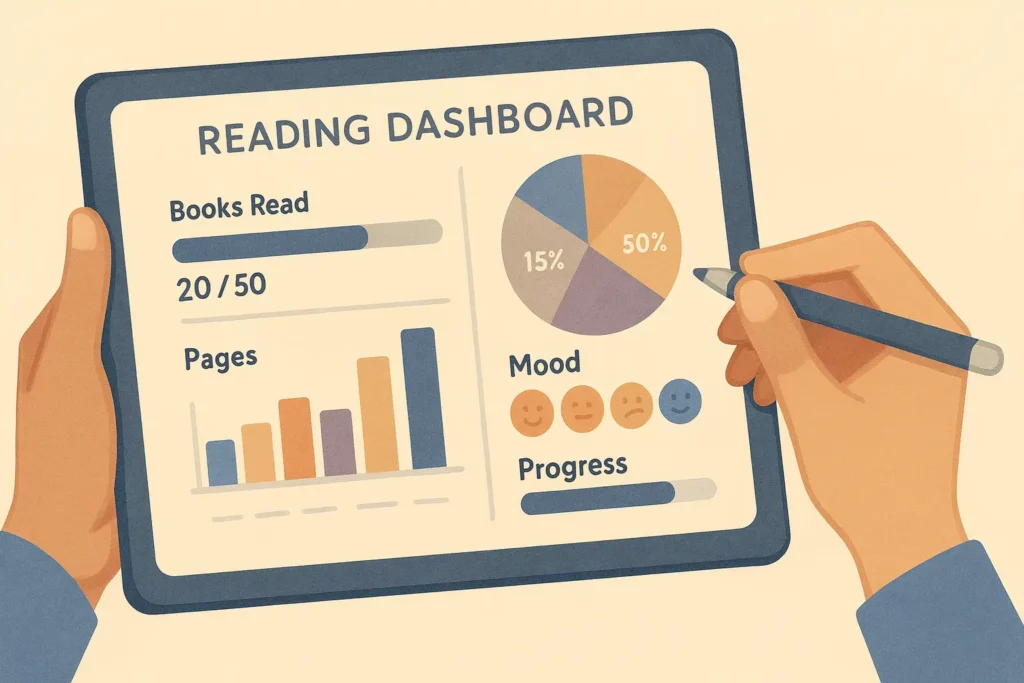
Technology can actually help you read more, not less. Here are two tools that I use and that make tracking your reading easy and fun.
- Goodreads – The classic. Join the yearly challenge and share your progress.
- StoryGraph – For data nerds who love charts and mood tracking.
Conclusion
You don’t need a magic number or perfect plan. Just read. That’s it. Let the challenge give structure, not stress. By the end of 2026, you’ll have a shelf full of stories and a mind that’s wandered through hundreds of worlds. Honestly, that’s a better flex than any gym streak.
Frequently Asked Questions
How many books should I aim to read in a year?
There’s no magic number. Some people read 10 books, others finish 100. Pick a goal that fits your life. The goal is enjoyment, not suffering.
What if I fall behind on my challenge?
You’re not getting graded here. Adjust your goals, swap long books for short ones, or just skip a month. It’s fine. You’re still reading.
Can I include audiobooks in my count?
Absolutely. Audiobooks still engage your imagination and teach you things. If you listened, it counts.
What if I’m a slow reader?
Then you probably remember more. Reading slowly isn’t bad, choose shorter books or essays if you prefer a chill pace.
Should I re-read books I love?
Yes. Rereading is like catching up with an old friend who still surprises you. Every reread gives new insights depending on who you’ve become since last time.

Angela
I’m a mental health nurse, part time student, and full time overthinker powered by coffee and loud music. This blog started somewhere between a night shift and a creative identity crisis. It is the small corner where I park my thoughts about life, learning, books, and whatever else keeps my brain entertained.